
Office Address
5th Floor, Mpelembe House
Ndola, Zambia
Phone Number
+260 (955) 367 762
+260 (966) 949 783
Email Address
info@trackex.io
support@trackex.io
5th Floor, Mpelembe House
Ndola, Zambia
+260 (955) 367 762
+260 (966) 949 783
info@trackex.io
support@trackex.io

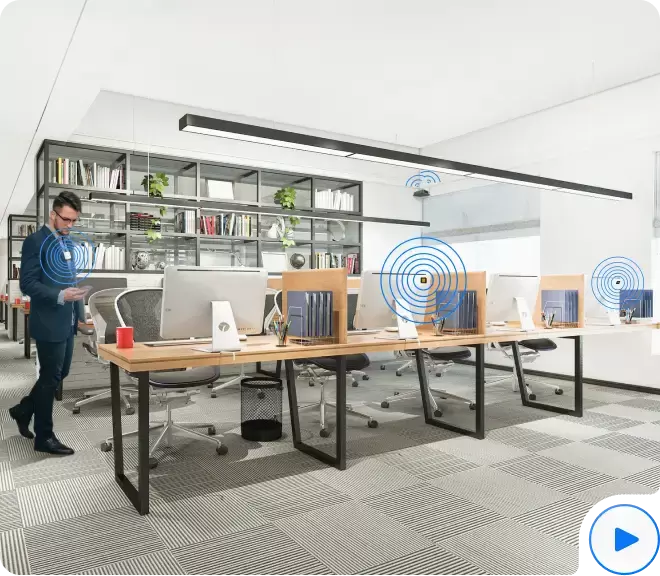
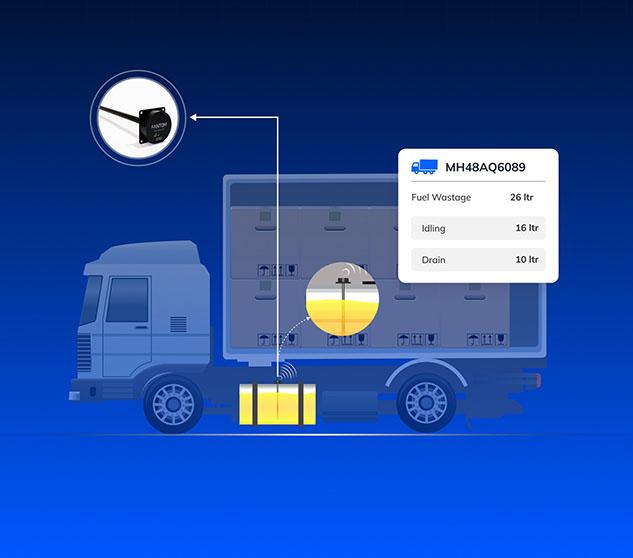





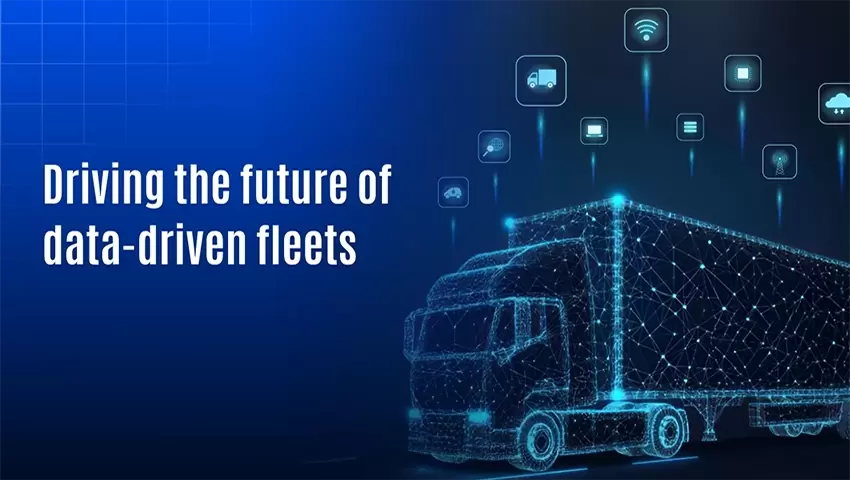
 by Mapsaels Design
The rise of IoT in fleet management marks a major turning point for the transport and logistics industry. What once depended on manual supervision and reactive decisions is now powered by intelligent, connected systems.
Global fleets are moving toward data-driven operations — cutting fuel waste, reducing downtime, and unlocking real ROI. IoT connects vehicles, sensors, and drivers through one network that delivers real-time visibility and smarter decisions. It’s no longer about tracking assets; it’s about building intelligent ecosystems that learn and adapt every day.
The true power of IoT isn’t just collecting information — it’s in translating that information into business decisions. Connected devices record every second of movement, performance, and driver activity. When analyzed together, these data points tell a bigger story — one that reveals efficiency gaps, performance trends, and opportunities to save costs.
This isn’t about tracking vehicles anymore; it’s about empowering organizations with insights that lead to stronger ROI and proactive management.
IoT delivers measurable outcomes that can reshape a fleet’s bottom line. Every insight adds up to tangible savings and performance gains.
Here’s how it drives results:
Industry studies show fleets using IoT experience up to 25% less downtime and 30% lower maintenance costs. The data proves it — connectivity equals profitability.
IoT is powerful alone — but when combined with AI and machine learning, it becomes transformational. IoT provides the data. AI and ML provide the intelligence. Together, they turn information into prediction and automation.
This convergence creates an intelligent feedback loop where fleets evolve continuously. Every journey trains the system to make the next one smarter. The result? Fleets that think, learn, and improve — automatically.
IoT isn’t limited to logistics. It’s reshaping how industries around the world operate.
For example:
Governments, enterprises, and mobility providers are all reaping the benefits. IoT has evolved into a universal framework for efficiency, safety, and sustainability across sectors.
The next decade of fleet management will be defined by integration. IoT, AI, and advanced analytics will merge to build ecosystems that self-optimize and self-correct. In these intelligent networks, data won’t just inform decisions — it will make them. Automated diagnostics, real-time driver coaching, and connected mobility will become the industry norm.
Businesses that adopt IoT today are preparing for a future where every vehicle, asset, and route works together in perfect sync. This is the era of intelligent operations and it has already begun.
The journey of IoT in fleet management has moved from tracking vehicles to transforming entire operations. Its ability to generate insights, boost ROI, and integrate with AI is reshaping global fleet ecosystems. Fleets that embrace this transformation gain more than visibility — they gain foresight. The road ahead belongs to intelligent fleets that adapt faster, perform better, and deliver greater value.