
Office Address
5th Floor, Mpelembe House
Ndola, Zambia
Phone Number
+260 (955) 367 762
+260 (966) 949 783
Email Address
info@trackex.io
support@trackex.io
5th Floor, Mpelembe House
Ndola, Zambia
+260 (955) 367 762
+260 (966) 949 783
info@trackex.io
support@trackex.io







 by Mapsaels Design
Fleet management in food transportation plays a vital role in keeping supply chains smooth and reliable. Every day trucks carry fruits, vegetables and frozen foods across highways and cities. Fleet managers ensure goods stay fresh, reach the stores on time and are handled safely before delivery.
Fleet operations involve a complex process behind every smooth delivery. Rising fuel price, poor route planning, temperature change and compliance rules creates major challenges for fleet managers. Even a small delay or technical fault can result in product loss.
In today’s fast- paced market, traditional methods no longer work. That’s why food transport tracking software has become essential. It uses real-time tracking, smart technology and instant alerts, which helps managers to keep fleets on track and ensure every trip from farms to stores delivers food fresh and on time.
The system monitors changes in temperature and humidity level inside the truck. If the readings go beyond safe limits and the system alerts managers to prevent food spoilage.
This software finds the best routes using live location and weather insight. It helps drivers save time, reduce fuel cost and ensure the foods reach the stores on schedule.
Driving habits like harsh braking or sudden acceleration can disturb temperature inside refrigerated trucks. Monitoring these behaviors helps keep drivers safe and operations smooth.
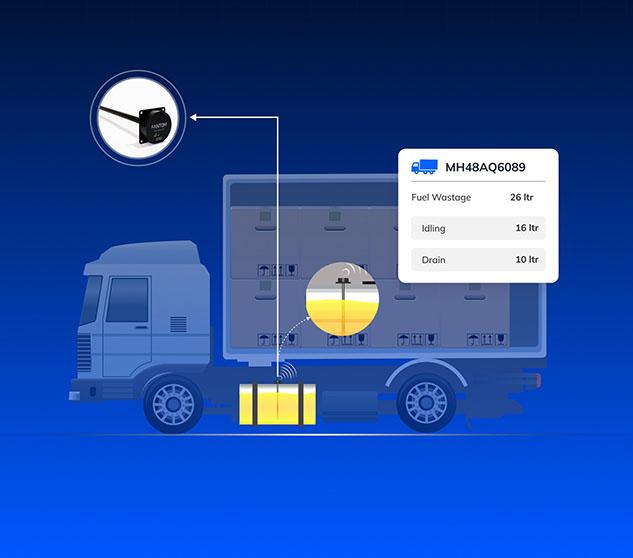
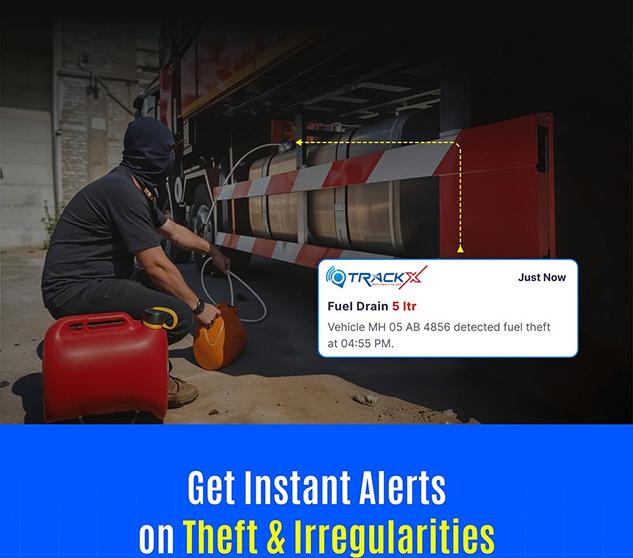
Track fuel use, engine performance and upcoming maintenance needs. Sends alerts for servicing or inspection, helping fleets to prevent breakdown and stay compliant.
Smart sensors and e-locks keep cargo balanced and secure, ensuring consistent cooling and safe delivery.
Fleet managers no longer rely on manual temperature checks or delayed updates. With the help of fleet management software can now view, trace, and predict every delivery using real-time insights.
This level of visibility helps food logistics management teams maintain control, improve accuracy, and ensure food reaches stores on time and in perfect condition.
By using accurate data, fleets keep safe temperature, deliver on time, reduce spoilage and build customer trust. Compliance is a major problem in food logistics. Fleet management systems simplify this through:
This transparency strengthens trust with customers, clients, and regulators, ensuring every food transportation fleet meets quality and safety expectations.
Fleet management technology has become the backbone of modern food logistics management. With the help of sensors, beacons, and smart data, fleets can easily see vehicles live on the road.
This integration links individual vehicle delivery into a smart fleet network. It helps in keeping the shipment stay efficient, fresh and on schedule.
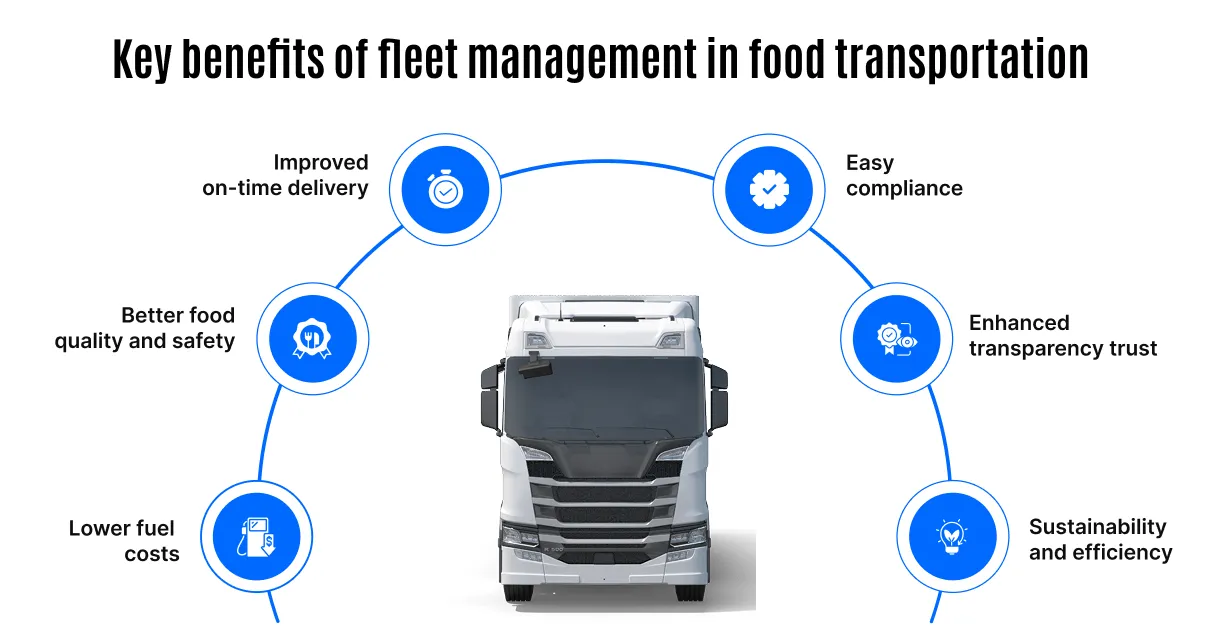
As new technology develops, the food logistics industry continues to evolve, and fleet management makes transportation faster, safer, and efficient.
Artificial intelligence and IoT are helping fleets plan better routes, keep the right temperature inside the trucks and save fuel. Blockchain makes the process transparent,keeps records that helps every business check goods from start to finish.
Government initiatives like low-emission zones and sustainable transport routes are driving fleets to adopt smart tools that improve both compliance and performance.
Refrigerated trucks, solar cooling and hybrid vehicles are using technologies that reduce fuel use and lower cost. Fleet operators using these systems make cold chain operations cleaner, greener, and more affordable.
With the help of technology, fleet management in food transportation has become smarter and more efficient. It allows managers to track vehicles, maintain temperature and plan better routes. Fleet management systems ensure that food reaches stores safely and stays fresh. These tools help reduce fuel consumption and reduce delays, which keeps the entire process on schedule. The future of food transport depends on smart systems that make every journey faster, safer and greener.